
Case Study — 02
iGaming Design System: Scaling complex transaction flows
01The Challenge
Aligning operational speed with design consistency.
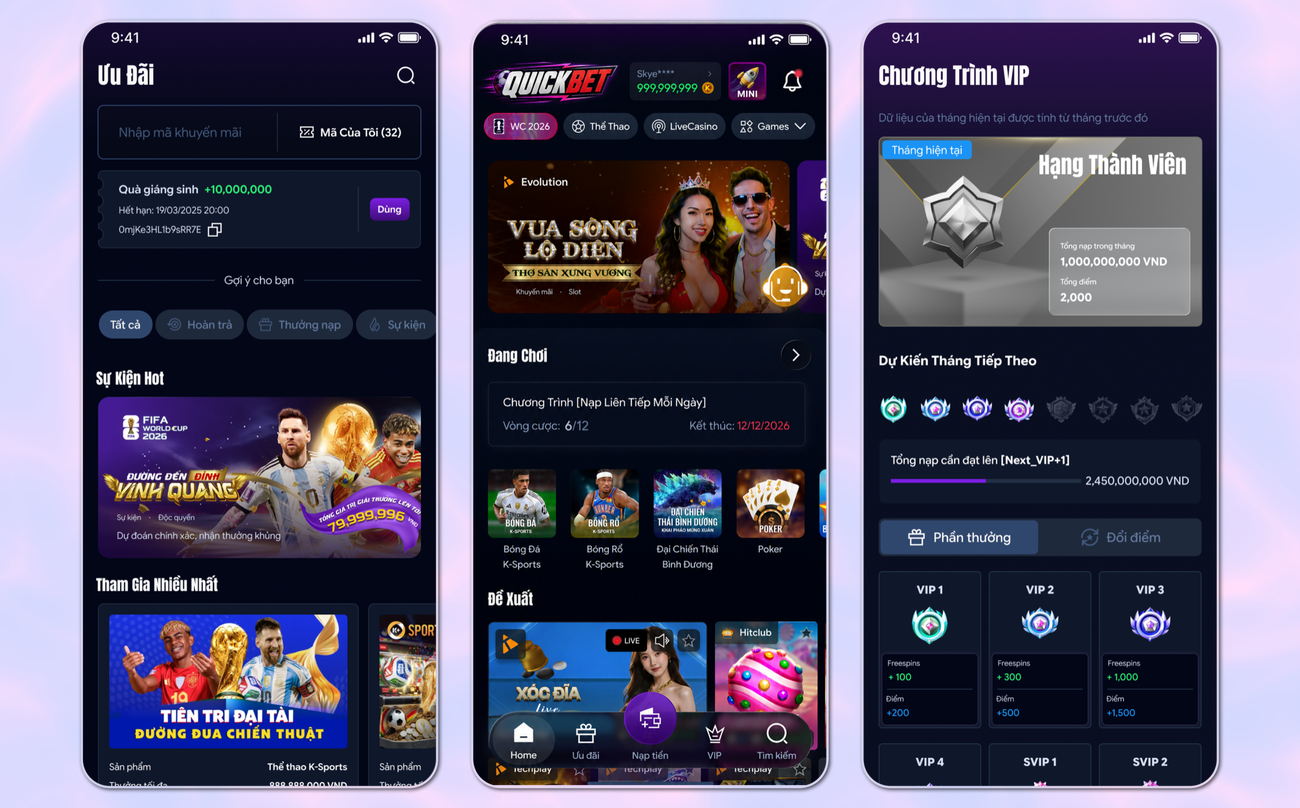
The iGaming payments platform grew exponentially, leaving engineering and product teams struggling to ship critical KYC, transaction wallets, and digital subscription experiences on time. Design debt had accumulated to a point where every new transaction flow required bespoke, hard-coded UI layouts.
The goal was clear: architect a scalable, token-based design system in Figma and React that could support 2.4 million daily active users while keeping component render states accessible, highly robust, and visually cohesive.
02The Process
Research, Taxonomy, Component Architecture
Phase 01 — Audit
Auditing the userflows
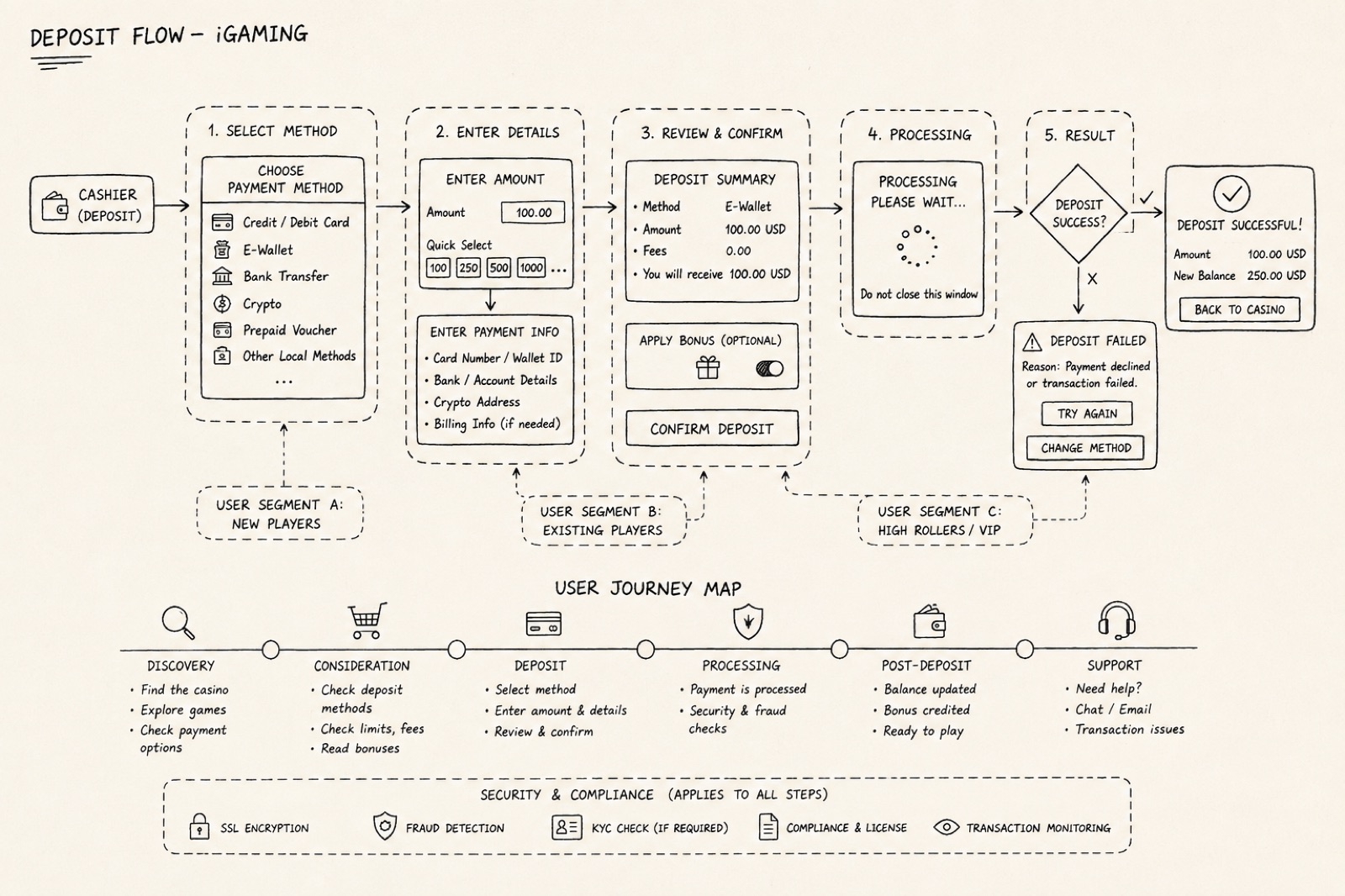
We conducted a systematic audit of over 140 screens across key player journeys — including registration, deposit, gameplay, withdrawal, and account management — to inventory UI components, interaction patterns, and visual inconsistencies.
Phase 02 — Design Tokens
Single source of truth
Audit insights were translated into a scalable design system foundation through component taxonomy, component architecture, domain-driven variables, and design tokens. Standardized naming conventions, variants, and interaction patterns reduced duplication while enabling reusable, consistent experiences across multiple products built on the shared library.
Phase 03 — Implementation
Engineer Handoff, Scalability & Adaptability
Translating our design system into reusable Figma components, variables, and documentation streamlined engineer handoff and reduced implementation ambiguity. The system was built to scale across products and adapt to evolving business requirements, enabling faster development while maintaining consistency and flexibility.
03The Deliverables
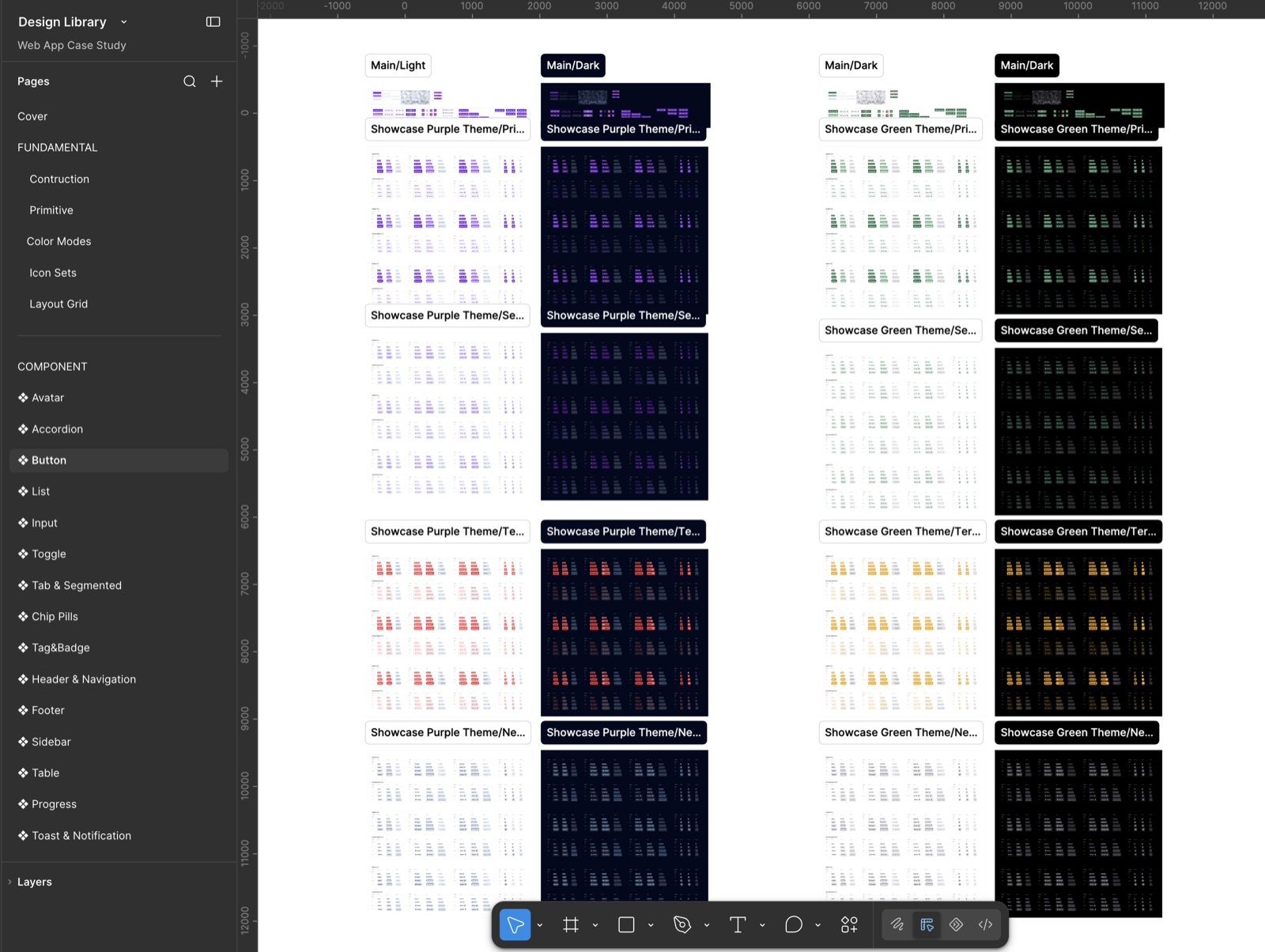
Figma UI Component Architecture
Interactive high-fidelity component spec designed to support dynamic dark/light variables and scale robustly across operational interfaces.
04The Impact
System outcomes & metrics
-45%
Design-to-development time
Reusable components and standardized design tokens significantly reduced implementation time, enabling engineers to ship new features faster with fewer UI inconsistencies.
100%
Token-based components
All core components were rebuilt using design tokens and reusable variants, improving scalability, adaptability, and engineering handoff.
140+
Screens standardized
Over 140 product screens were unified under a shared design language, reducing design debt and creating a consistent player experience across key journeys.
Up NextHMI Automotive Project
HMI Automotive UXUI Concept — EV Driving Mode
Read next case study
